
How Long Does a Roof Last? A Guide to Roof Lifespans
Key takeaways
- Natural slate can last eighty to a hundred years, while concrete tiles typically last forty to fifty years.
- Modern flat roof materials like GRP and EPDM offer lifespans of thirty-five to fifty-plus years, far exceeding traditional felt.
- The quality of the original installation has a profound impact on how long any roof lasts.
- Regular maintenance — clearing gutters, prompt repairs, moss removal — can extend a roof's life by years.
- Age alone is not a reliable guide to whether a roof needs replacing; a professional inspection is the best way to decide.
One of the most common questions we are asked by homeowners in the Windsor and Maidenhead area is how long their roof should last. It is a reasonable question, especially if you are buying an older property, budgeting for future maintenance or trying to decide whether a repair or a full replacement makes more sense. The honest answer is that it depends — on the material, the quality of the original installation, how well the roof has been maintained and the conditions it has been exposed to over the years. But we can offer some useful general guidance based on what we see on a daily basis.
Natural slate
There are slate roofs on buildings in Windsor and across Berkshire that are well over a century old and still performing well.
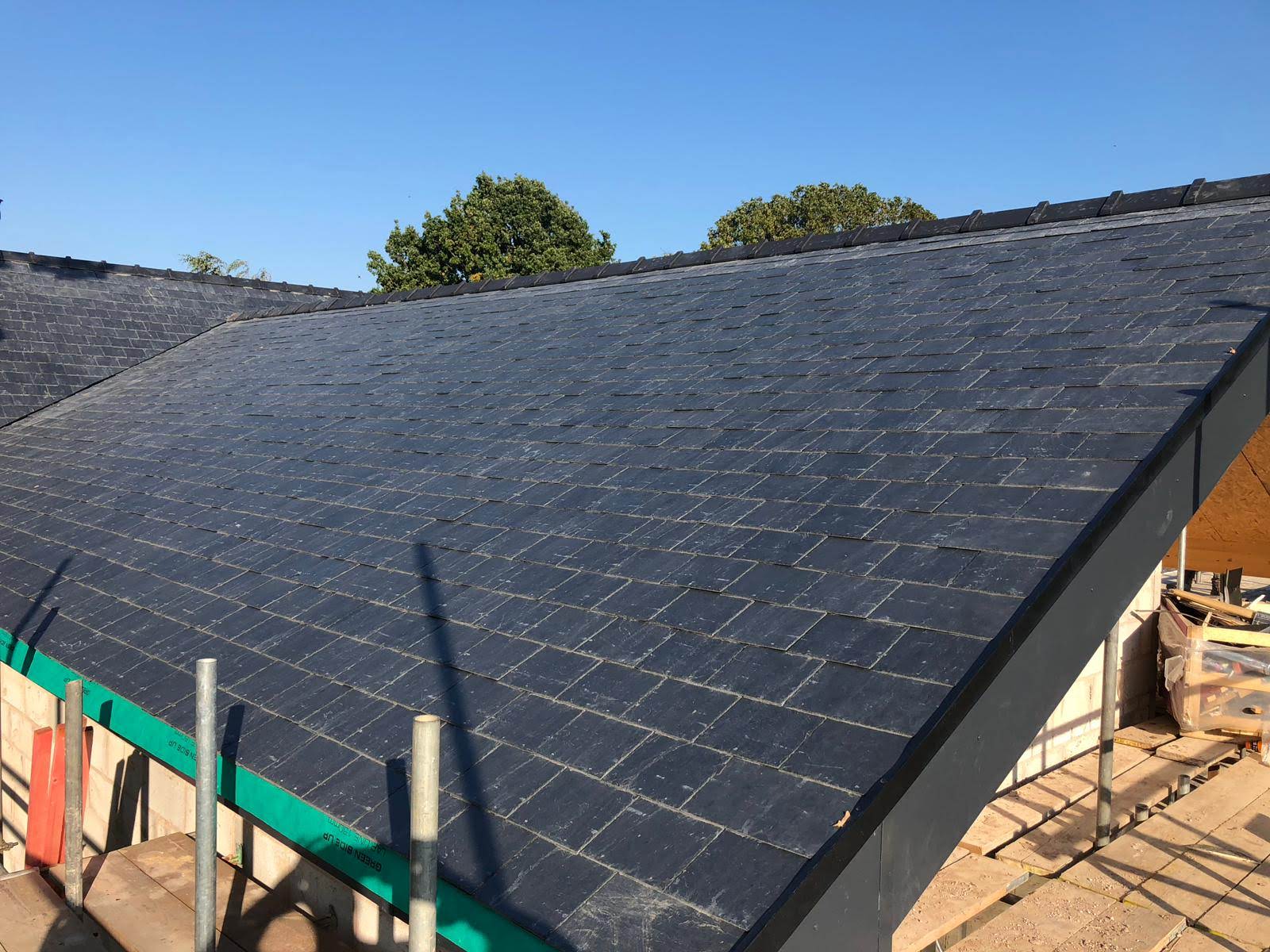
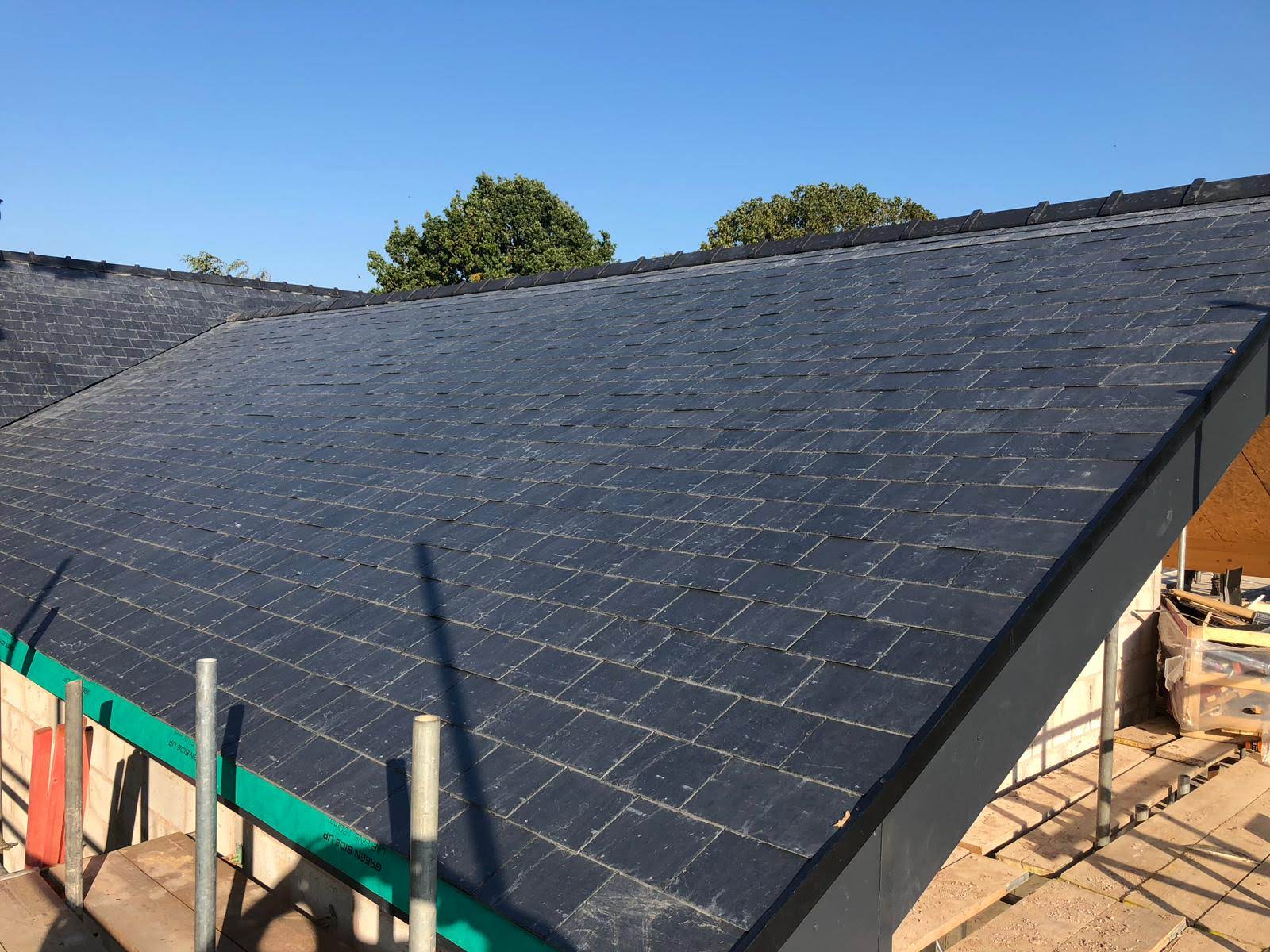
Natural slate is the longest-lasting roofing material commonly found on residential properties. A good quality Welsh or Spanish slate roof, properly installed with copper or stainless steel nails, can last eighty to a hundred years and sometimes considerably longer. There are slate roofs on buildings in Windsor and across Berkshire that are well over a century old and still performing well. The slate itself is virtually indestructible in normal conditions — it does not absorb water, it does not rot and it is not affected by UV radiation. What usually fails first are the fixings. Iron nails corrode over time, and as they thin, the slates lose their grip and start to slip. This is known as nail sickness and is the most common reason for re-roofing a slate roof. When the nails fail, the slates can often be salvaged and relaid with new fixings, which is both economical and environmentally sound.
Clay tiles
Clay tiles are another durable option with a long track record. Traditional clay plain tiles and clay pantiles have been used in this part of England for centuries. A good quality clay tile roof can be expected to last sixty to eighty years, and some last longer. Like slate, the tiles themselves are hard-wearing, but the battens, fixings and mortar that support them have a shorter lifespan. After forty or fifty years, it is common for the timber battens to need replacing even if the tiles are still in good condition. A re-battening job involves stripping the tiles, replacing the battens and felt, and relaying the original tiles — it gives the roof a new lease of life without the cost of new tiles.
Concrete tiles
Concrete tiles became the dominant roofing material for new-build homes in the UK from the 1960s onwards, and they remain popular today. They are less expensive than clay or slate and are available in a wide range of profiles and colours. The typical lifespan of a concrete tile roof is forty to fifty years, though some will last longer in favourable conditions. Concrete tiles are more porous than clay and can absorb moisture over time, which makes them susceptible to frost damage. You may notice that older concrete tiles develop a rough, granular appearance as the surface coating wears away — this is normal but does indicate that the tiles are ageing. Concrete tiles are also heavier than slate or clay, which means the roof structure needs to be adequate to support them.
Felt flat roofs
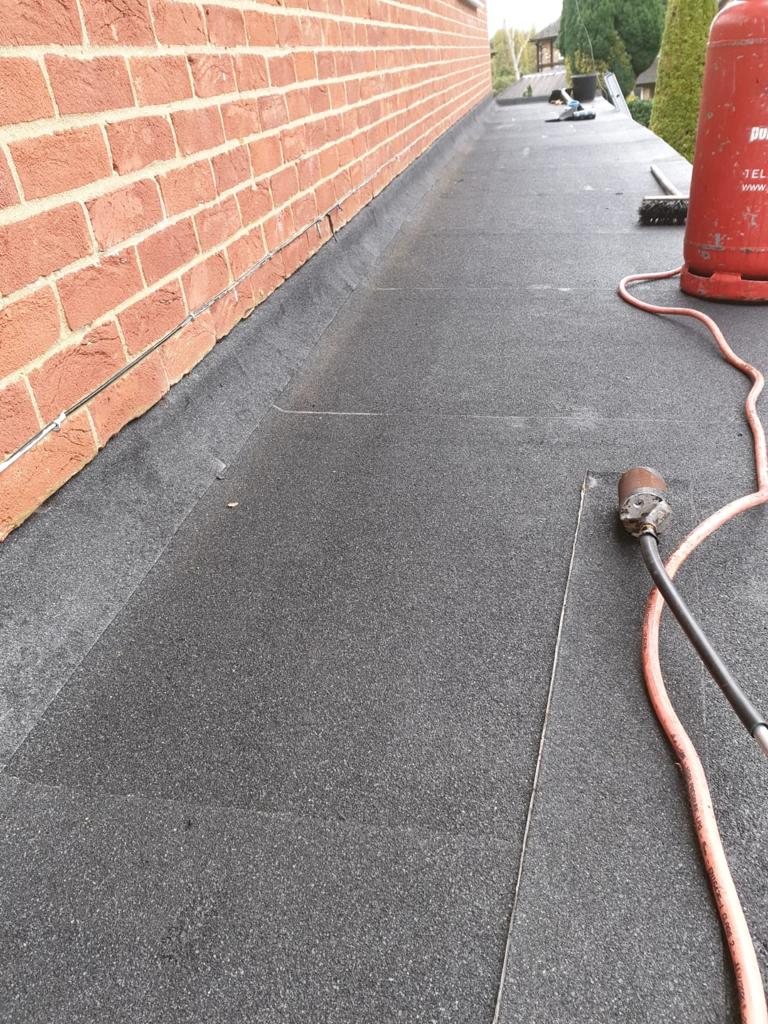
Flat roofs have a different set of expectations. Traditional felt flat roofs, which use layers of bituminous felt bonded with hot bitumen, have a typical lifespan of around ten to fifteen years. This may seem short, but felt was always intended as a more affordable, shorter-term solution. Many flat roofs on extensions, garages and dormers across the Windsor area are covered in felt, and they do need replacing more frequently than pitched roofs. The good news is that when a felt flat roof reaches the end of its life, you do not have to replace it with more felt. Modern alternatives offer significantly better performance and longevity.
GRP and EPDM flat roofs
GRP fibreglass is one such alternative. A GRP flat roof is formed by laying glass fibre matting into a liquid resin, which cures to form a single, seamless, rigid surface. When properly installed, a GRP flat roof can last thirty-five years or more. It is completely waterproof, does not have joints or seams that can fail, and is resistant to UV degradation. The rigid nature of GRP means it needs a stable deck beneath it — typically plywood — and the deck must be properly ventilated to prevent condensation. GRP has become one of the most popular flat roofing systems in the UK and is our most frequently requested option for flat roof replacements.
EPDM rubber roofing is another modern flat roof material with excellent longevity. EPDM is a synthetic rubber membrane that is laid in a single sheet over the roof deck, which eliminates the seams that are the weak point of many flat roofing systems. A quality EPDM installation can last fifty years or more. The material is flexible, which means it can accommodate slight movement in the building structure without cracking. It is also UV stable and resistant to a wide range of temperatures. EPDM is particularly well suited to larger flat roof areas where a single sheet can cover the entire surface without joints.
Factors that affect lifespan
A well-installed roof can exceed its expected lifespan by a considerable margin.
Several factors affect how long any roof will last, regardless of the material. Weather exposure is the most obvious — a roof that faces the prevailing wind and rain will wear faster than a sheltered one. In the Windsor area, the south-west facing slopes of roofs tend to deteriorate first because they receive the most weather. Ventilation matters too. A roof space that is well ventilated allows moisture to escape, keeping the timber dry and the underlay in good condition. A poorly ventilated loft traps moisture, which accelerates the deterioration of battens, felt and even the tiles or slates themselves.
The quality of the original installation has a profound impact on lifespan. A roof that was installed with proper overlaps, correct nail placement, well-fitted flashing and adequate ventilation will always outperform one that was done cheaply with shortcuts. We sometimes inspect roofs that are only fifteen or twenty years old but are already in poor condition because of substandard workmanship during the original build. Conversely, a well-installed roof can exceed its expected lifespan by a considerable margin.
Maintenance is the other critical factor. A roof that receives regular attention — gutters kept clear, small repairs carried out promptly, flashing re-dressed when needed, moss removed before it causes damage — will last significantly longer than one that is neglected. Many of the roof replacements we carry out could have been deferred by years if the homeowner had addressed small issues as they arose rather than waiting until the problems accumulated.
When to consider replacement
If you are trying to decide whether your roof needs replacing, age alone is not a reliable guide. A fifty-year-old slate roof may have many more years of service in it, while a thirty-year-old concrete tile roof may be approaching the end of its useful life. The best way to make an informed decision is to have a professional inspection. At Maybach Building & Property Maintenance Ltd, we carry out detailed roof assessments throughout Windsor, Maidenhead and the wider Berkshire area, and we will give you an honest appraisal of your roof's condition and remaining lifespan. Where a repair is sufficient, we will tell you. Where a replacement is the better long-term investment, we will explain why and help you choose the right material for your property and budget.