How to Spot Storm Damage on Your Roof
Key takeaways
- Walk around your property after a storm and look up at the roofline for displaced or missing tiles
- Check your loft with a torch for daylight, damp timber or wet felt patches
- Multiple missing tiles or active water ingress is an emergency — call a roofer immediately
- Photograph damage promptly to support any insurance claim
- A professional post-storm inspection catches hidden damage before it becomes costly
Storms in the Windsor and Maidenhead area can be surprisingly fierce. High winds, driving rain and occasional hail can all take a toll on your roof, sometimes causing damage that is not immediately obvious from the ground. The trouble is that even minor storm damage, if left unaddressed, can quickly escalate into something far more serious. A single displaced tile can allow water to penetrate the underlayer, saturate the timber and lead to rot, damp patches on ceilings and eventually structural problems. Knowing what to look for after a storm can save you significant expense down the line.
What to look for from the ground
Even a single missing tile exposes the felt underneath to the elements, and roofing felt was never designed to be the primary waterproof barrier for any extended period.
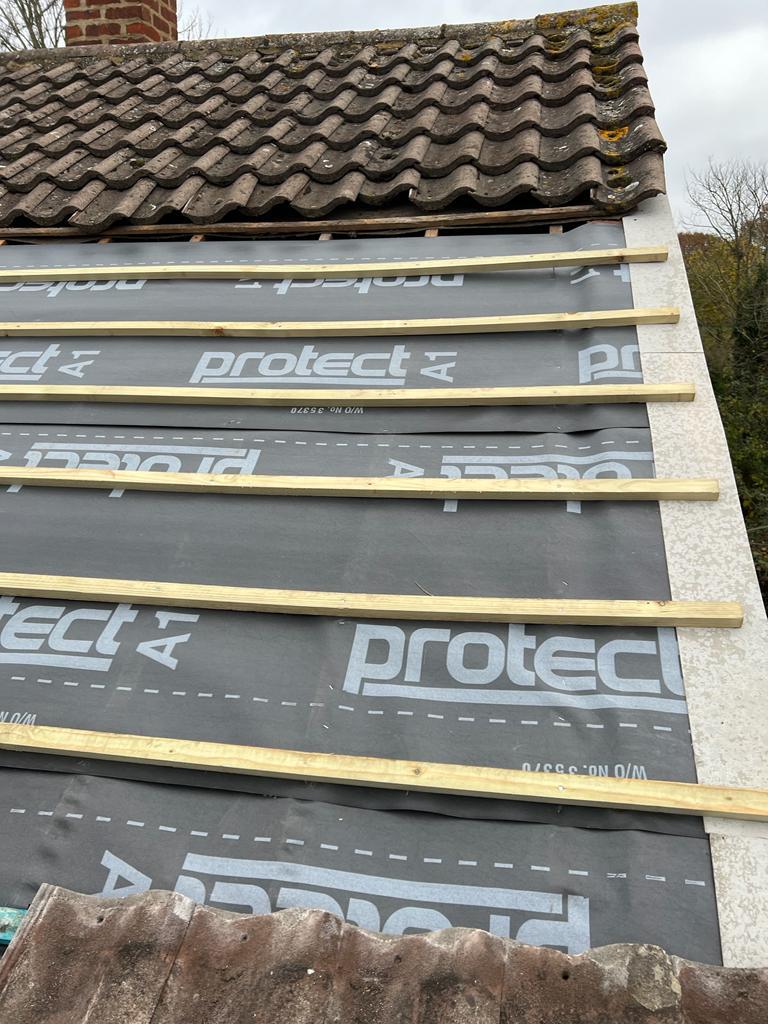
The most obvious sign of storm damage is displaced or missing tiles. After a particularly windy night, it is worth walking around the perimeter of your property and looking up at the roofline. If you can see gaps where tiles should be, or tiles that have slipped out of position and are sitting at odd angles, you know the roof has taken a hit. Clay and concrete tiles are heavy, but sustained gusts can lift them surprisingly easily, especially if the nibs that hook them onto the battens have weakened over time. Even a single missing tile exposes the felt underneath to the elements, and roofing felt was never designed to be the primary waterproof barrier for any extended period.
Ridge tiles along the apex of the roof are particularly vulnerable. These are the shaped tiles that sit along the very top, and they are held in place by mortar rather than being mechanically fixed. Over time the mortar can crack and loosen, and a strong storm can dislodge ridge tiles entirely. A wobbling or missing ridge tile is one of the most common call-outs we attend across Windsor after bad weather. If you notice mortar debris in your gutters or on the ground below the roofline, that is a strong indication that your ridge tiles need attention. Modern dry ridge systems use mechanical fixings and eliminate this problem, but many older properties in the area still rely on the traditional mortar bedding.
Bent or lifted flashing is another telltale sign. Lead flashing is used wherever the roof meets a vertical surface — around chimneys, along abutment walls, at the junction between an extension and the main house. Wind can peel lead flashing away from the wall, and once it lifts, rainwater finds its way behind it and into the building. Check the areas around your chimney and any walls where the roof meets them. If the lead looks bent, buckled or has pulled away from the mortar joint, it needs to be re-dressed or replaced. This is a skilled job and not one for a general DIY approach, because poorly fitted flashing is one of the most common causes of persistent roof leaks.
Your gutters can tell you a lot about the state of your roof after a storm. If you find an unusual amount of grit, broken tile fragments or mortar debris in the guttering, something has come loose above. This is especially true of older concrete tiles, which tend to shed their granular surface coating as they age. A storm can accelerate this process considerably. While you are checking the gutters, look out for any that have been pulled away from the fascia board. Heavy rain combined with blocked downpipes can cause gutters to overflow and the weight of standing water can drag fixings out of the timber. Sagging or detached gutters should be repaired promptly to prevent water from cascading down the walls and causing damp.
Check inside your loft
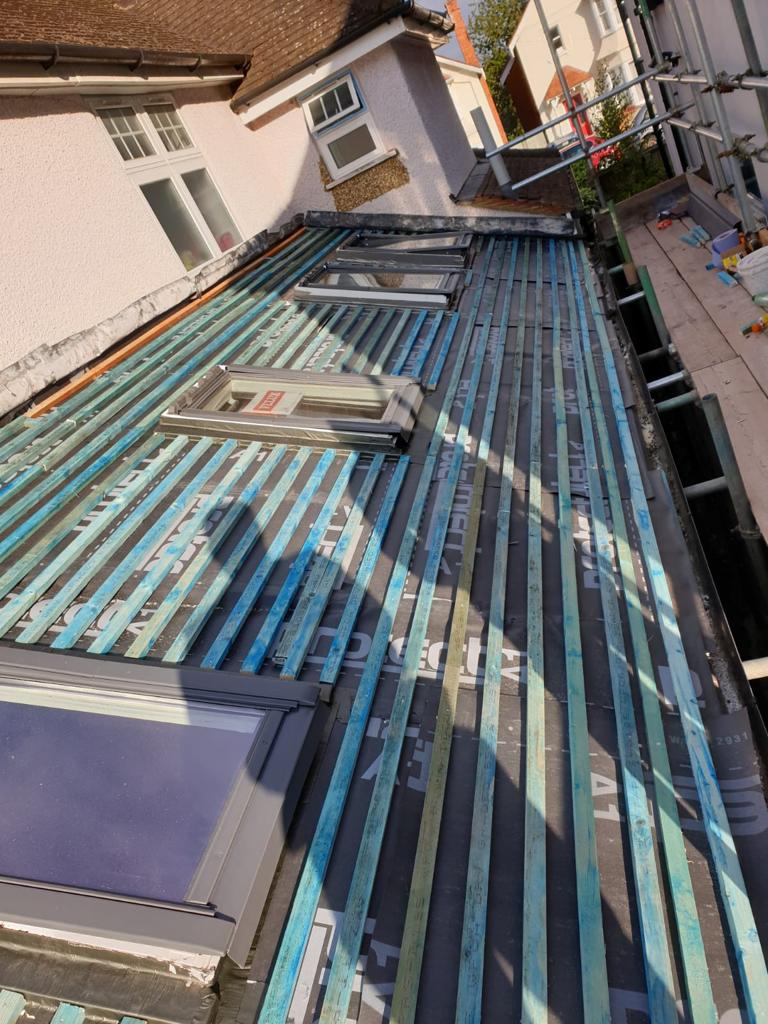
Inside the house, the signs of storm damage are usually damp patches on ceilings or walls, particularly in upstairs rooms and loft spaces. After a storm, it is a good idea to check your loft with a torch. Look for any daylight coming through the roof — there should be none. Check the underside of the felt for wet patches and look at the timber rafters and purlins for signs of moisture. Damp timber will appear darker than dry wood and may feel soft to the touch. If you find damp, try to trace it upwards to identify where the water is getting in. Bear in mind that water can travel some distance along a rafter before dripping, so the entry point may not be directly above the wet patch.
Emergency vs non-urgent damage
Not every instance of storm damage is an emergency, and it helps to understand the difference. If you have multiple tiles missing and can see exposed felt or timber, or if water is actively coming into the house, that is an emergency and you should contact a roofer straight away. Most reputable roofing contractors in the Windsor area, including ourselves, offer emergency call-out services and can at the very least carry out a temporary weatherproofing repair to prevent further water ingress until a permanent fix can be scheduled. On the other hand, if you have noticed a cracked tile, some loose mortar in the gutters or a small damp patch that appeared during the storm but has since dried, these can usually wait for a scheduled inspection and repair. The important thing is not to ignore them entirely.
Dealing with insurance
If your property is insured, and most are, your buildings insurance policy should cover storm damage to the roof. However, there are a few things worth knowing. Insurers will generally require evidence that the damage was caused by a specific storm event rather than gradual wear and tear. A roof that was already in poor condition before the storm may not be covered, or the claim may be reduced. It is helpful to take photographs of any visible damage as soon as you notice it, and to keep a record of the date and the weather conditions. Your roofer can provide a written report and quotation, which the insurer will typically request. We regularly assist customers in the Windsor and Maidenhead area with the documentation needed for insurance claims.
Why professional inspection matters
One of the most important things you can do after a storm is arrange a professional roof inspection. Even if everything looks fine from ground level, there can be damage that is only visible from the roof itself. A qualified roofer will check every aspect — tiles, ridge tiles, flashing, valleys, mortar joints, the condition of the felt and battens underneath, and the guttering and downpipes. They can identify minor issues that would otherwise go unnoticed and develop into expensive problems over the coming months. At Maybach Building & Property Maintenance Ltd, we carry out thorough post-storm inspections throughout Windsor, Maidenhead and the surrounding areas of Berkshire.
It is worth mentioning that you should never attempt to climb onto your roof yourself after a storm. Tiles may be loose, wet and slippery, and the underlying structure may have been weakened. Falls from roofs account for a significant number of serious injuries every year, and the risk simply is not worth it. A pair of binoculars and a walk around the outside of the property is the safest way to carry out your own initial assessment. Leave the close-up inspection to a professional with the right equipment and training.
Finally, if your roof has been damaged by a storm, it is an opportunity to consider whether a repair is sufficient or whether a more comprehensive solution makes sense. If your roof is already twenty or thirty years old and has sustained storm damage, patching the immediate problem may buy you some time, but you could find yourself dealing with repeated issues as the overall condition continues to decline. Sometimes a partial or full re-roof is the more cost-effective option in the long term, and a good roofing contractor will give you an honest assessment of both options so you can make an informed decision.