
Planning a Home Extension? What to Know About the Roof
Key takeaways
- Modern flat roofing materials like GRP and EPDM offer thirty-five to fifty-plus year lifespans, making flat roofs a durable choice for extensions.
- Matching roofing materials to the existing house is important for pitched roofs — reclaimed tiles are ideal for older properties.
- The junction between new roof and existing building is the most common source of leaks and must be detailed correctly.
- Building regulations require substantial insulation in extension roofs — plan for this at the design stage to avoid compromised ceiling heights.
- Poor drainage falls and inadequate insulation are the most common extension roof problems, and both are avoidable with proper planning.
Pitched vs flat roof
A home extension is one of the most significant investments you can make in your property. Whether you are adding a rear kitchen extension, a side return, an extra bedroom or a garage conversion, the roof of the new structure is a critical element that deserves careful thought. The right roofing approach will not only keep the extension watertight for decades but will also influence how the new space looks, how well it is insulated and how it connects to the existing building. Here is what homeowners in the Windsor and Maidenhead area should consider when planning the roofing for an extension.
The first decision is whether to go with a pitched roof or a flat roof. This is partly a matter of aesthetics and partly a matter of practicality. A pitched roof — one with a slope of at least fifteen degrees — tends to look more in keeping with the original property, especially on traditional houses. It also sheds rainwater more effectively, has a longer typical lifespan and provides the option of usable loft space above the extension. However, a pitched roof adds height to the structure, which can be an issue if you are building close to the boundary or if the extension is at the rear of a terraced or semi-detached house where you need to be mindful of the impact on your neighbours.
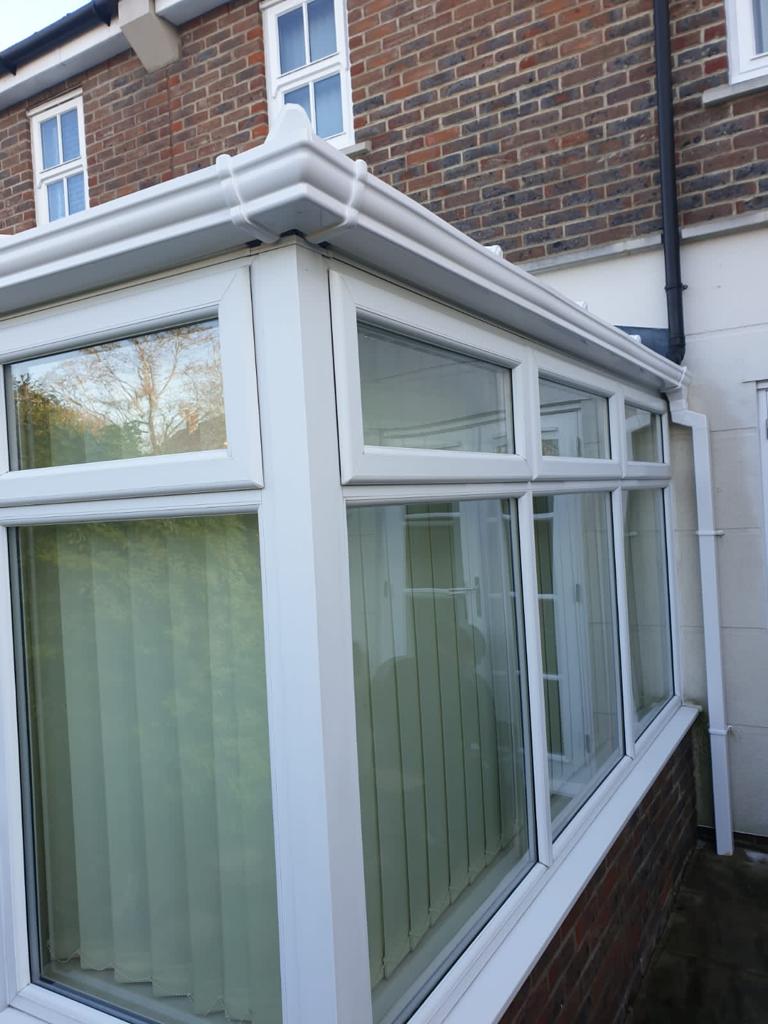
Flat roofs are the more common choice for single-storey rear extensions, and for good reason. They keep the overall height of the extension low, which is often important for meeting planning conditions and permitted development limits. A flat roof is also simpler and usually less expensive to construct than a pitched roof. The drawback historically has been lifespan — old-style felt flat roofs were notorious for leaking after ten or fifteen years — but modern flat roofing materials have changed the picture significantly. GRP fibreglass and EPDM rubber both offer lifespans of thirty-five to fifty years or more, making them a genuinely durable option for extension roofs.
If you want the best of both worlds, there are hybrid options. A flat roof with a slight pitch — technically known as a warm deck roof with a fall — is the standard approach for modern extensions and provides positive drainage without the height of a full pitched roof. Alternatively, some homeowners opt for a shallow-pitched zinc or standing seam roof, which gives a contemporary architectural look while still shedding water effectively. These options are more expensive but can add real character to the right property.
Matching existing materials
Matching the roofing materials of the extension to the existing house is important, particularly for pitched roofs. If your existing house has a clay tile roof, using the same tile on the extension creates a seamless visual connection between old and new. This is easier said than done on older properties, because the original tiles may no longer be manufactured. In these cases, a reclaimed tile that matches the colour and profile is the ideal solution, though it can take time to source sufficient quantities. Alternatively, a new tile that is a close match can be used, and it will weather and blend in over time. For flat-roofed extensions, the material choice is less constrained because the roof is typically not visible from ground level.
Building regulations
The insulation depth affects ceiling heights and door head heights — getting this right at the design stage avoids awkward compromises during construction.
Building regulations set specific requirements for the thermal performance of extension roofs, and these are more demanding than many homeowners expect. The current U-value requirement for a flat roof is typically 0.18 W/m2K or better, which requires a substantial depth of insulation. For a warm deck flat roof — the most common construction method — this usually means between 120 and 150 millimetres of rigid insulation board above the structural deck. The insulation depth affects the overall buildup of the roof, which in turn affects ceiling heights, door head heights and the junction detail where the extension meets the existing house. Getting this right at the design stage avoids awkward compromises during construction.
Drainage and guttering
Drainage is a practical matter that needs careful planning. The rainwater that falls on the extension roof needs to go somewhere, and it must not be allowed to discharge onto a neighbouring property. For a flat roof, this usually means a fall towards a gutter at one or two edges, with downpipes connected into the existing drainage system or into a soakaway. For a pitched roof extension that connects to the main house, a valley gutter may be needed where the new roof meets the old. Valley gutters are a known weak point if not installed correctly — they carry a concentrated flow of water and any failure in the lining leads directly to a leak inside the building. Lead-lined valleys, properly dressed and supported, are the most reliable option.
Connecting new to old
Poor junction details are one of the most common causes of leaks in extensions, and they often do not become apparent until the first heavy rain after the build is complete.
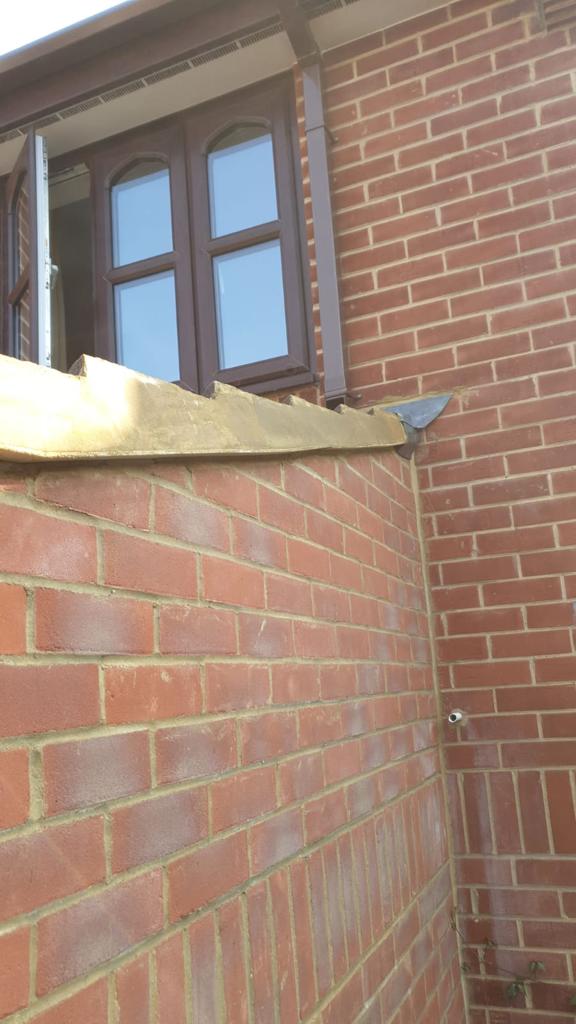
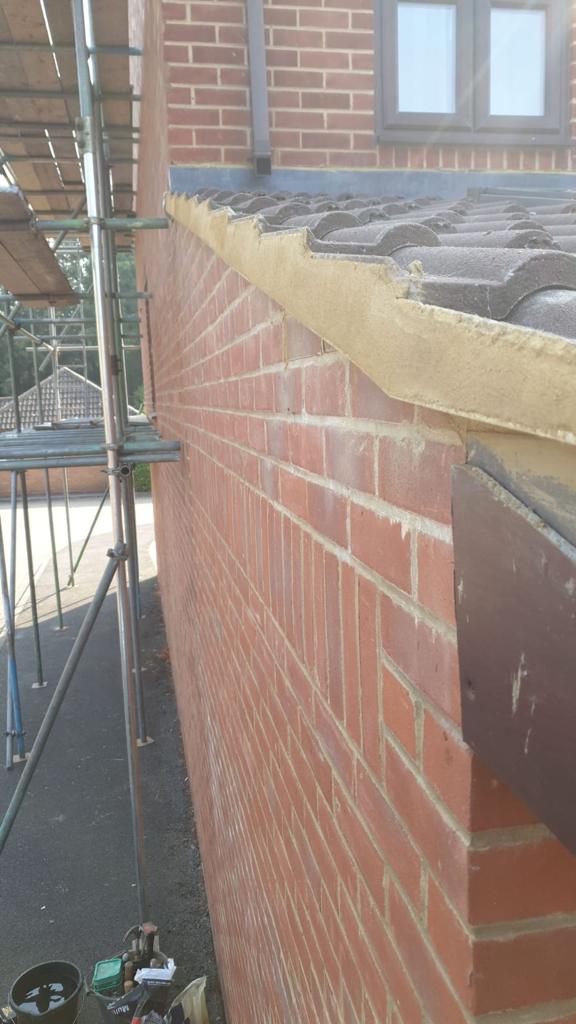
The junction between the new roof and the existing building is one of the most important details to get right. Where an extension roof meets an existing wall, a lead flashing must be dressed into the brickwork to create a watertight seal. This involves cutting a chase into the mortar joint, inserting the lead and pointing it in with mortar. If the existing wall is rendered, the detail is slightly different but the principle is the same — the flashing must be securely fixed into the wall and must lap over the roofing material below with sufficient overlap to prevent water from being driven behind it by wind. Poor junction details are one of the most common causes of leaks in extensions, and they often do not become apparent until the first heavy rain after the build is complete.
If the extension roof needs to connect to the existing roof structure — for example, where a two-storey extension ties into the original roof — the structural design becomes more complex. The new roof timbers need to be tied into the existing rafters or purlins, and the loadings must be calculated to ensure the existing structure can support the additional weight. A structural engineer should be involved at the design stage. The weatherproofing of the junction between old and new roof surfaces also requires careful detailing, often involving a new valley, re-dressed flashing and possibly re-laying some of the existing tiles to achieve a proper integration.
Common problems to avoid
There are several common problems with extension roofs that we see regularly across the Windsor area, and most of them stem from poor planning or execution during the build. Ponding water on flat roofs is one — if the falls are insufficient or the roof has settled unevenly, water pools on the surface rather than draining away. While modern membranes can tolerate standing water, it shortens their lifespan and adds unnecessary load. Inadequate insulation is another recurring issue, often because the builder tried to minimise the roof buildup to maintain ceiling height, at the expense of thermal performance. Cold bridging at the junction between extension walls and the roof can cause condensation and mould in the corners of the ceiling — this is avoidable with correct detailing but is surprisingly common.
Getting started
Timeline considerations are worth mentioning. The roof is the element that makes the extension watertight, so it is typically one of the first priorities once the walls are up. However, the roof cannot be completed until the structural frame is in place, any steelwork has been installed and the wall plate is level and secure. A flat roof on a standard single-storey extension can usually be completed in two to three days, while a pitched roof will take longer depending on complexity. Weather is a significant factor — the roof deck and insulation need to be installed in dry conditions, and any delay due to rain can push the programme back. Planning the build to have the roof closed in before autumn is sensible if the programme allows it.
At Maybach Building & Property Maintenance Ltd, we have extensive experience with extension roofing across Windsor, Maidenhead and the surrounding areas, working with both flat and pitched roof systems. We are happy to work alongside your architect or builder to ensure the roofing element is properly specified and executed, or we can manage the roofing package independently. If you are planning an extension and want to discuss the roofing options, get in touch for a no-obligation conversation. Getting the roof right from the start is one of the best investments you can make in the long-term performance of your new space.