
A Seasonal Roof Maintenance Checklist for Homeowners
Key takeaways
- A seasonal approach to roof maintenance catches small problems before they become expensive repairs.
- Spring and autumn are the most important times for inspection — check after winter damage and before winter arrives.
- Blocked gutters are one of the most common causes of damp problems and are easy to prevent.
- Heavy moss growth holds moisture against tiles and should be removed in summer before winter frost causes damage.
- Have a professional roof inspection every three to five years for issues not visible from ground level.
Your roof protects everything beneath it, yet it is easy to forget about until something goes wrong. A few simple checks carried out at the right time of year can help you catch small problems before they turn into expensive repairs. This seasonal checklist is based on the issues we most commonly encounter when working on properties across the Windsor and Maidenhead area, and it is designed for homeowners who want to be proactive about roof maintenance without climbing ladders themselves.
Spring
Blocked gutters are one of the most common causes of damp problems in houses across Berkshire, and the fix is usually very straightforward.
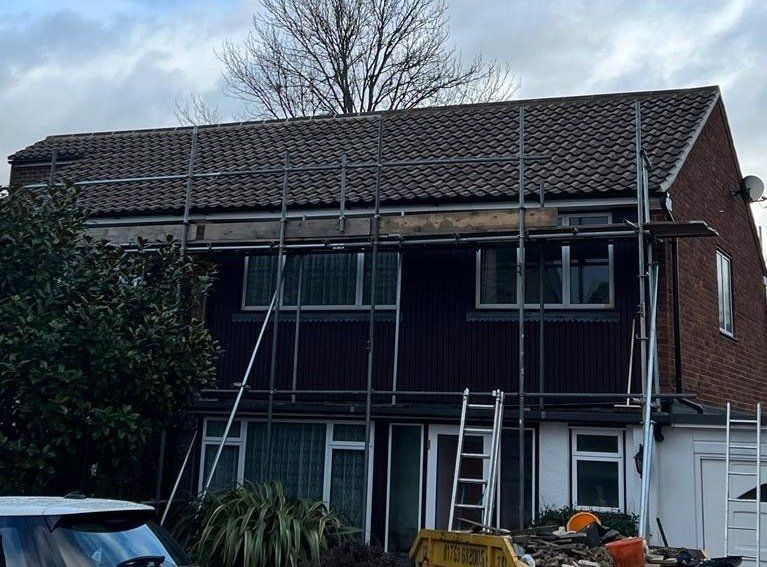
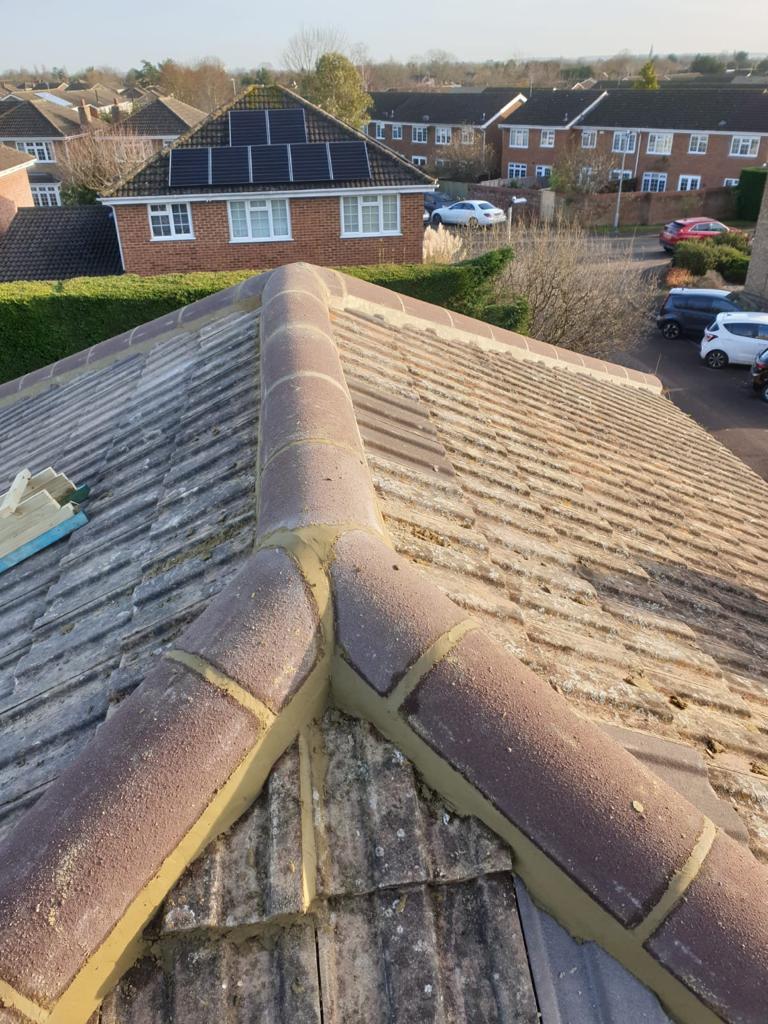
Spring is the ideal time to assess how your roof has fared over winter. The combination of frost, rain and wind during the colder months puts roofs under significant stress, and spring offers the first real opportunity to check for damage in reasonable weather. Start by walking around the outside of your property and looking up at the roof from ground level. A pair of binoculars is genuinely useful here — they allow you to inspect tiles, ridge tiles, flashing and the roofline in detail without leaving the ground. Look for any tiles that appear cracked, slipped or missing entirely. Check the ridge tiles along the top of the roof for signs of movement or missing mortar. Pay attention to the lead flashing around chimneys and where the roof meets walls — it should be neatly dressed into the brickwork with no visible gaps.
While you are outside in spring, check your gutters carefully. Winter storms often deposit leaves, moss and debris into guttering, and if the downpipes have become partially blocked, you may notice water staining on the walls below the gutters where water has been overflowing. Clear out any debris you can safely reach, or arrange for a gutter clean if the gutters are at height. Blocked gutters are one of the most common causes of damp problems in houses across Berkshire, and the fix is usually very straightforward. Also inspect the fascia boards behind the gutters — if they are timber, look for signs of rot or flaking paint. UPVC fascias should be checked for any that have come loose or are bowing.
Summer
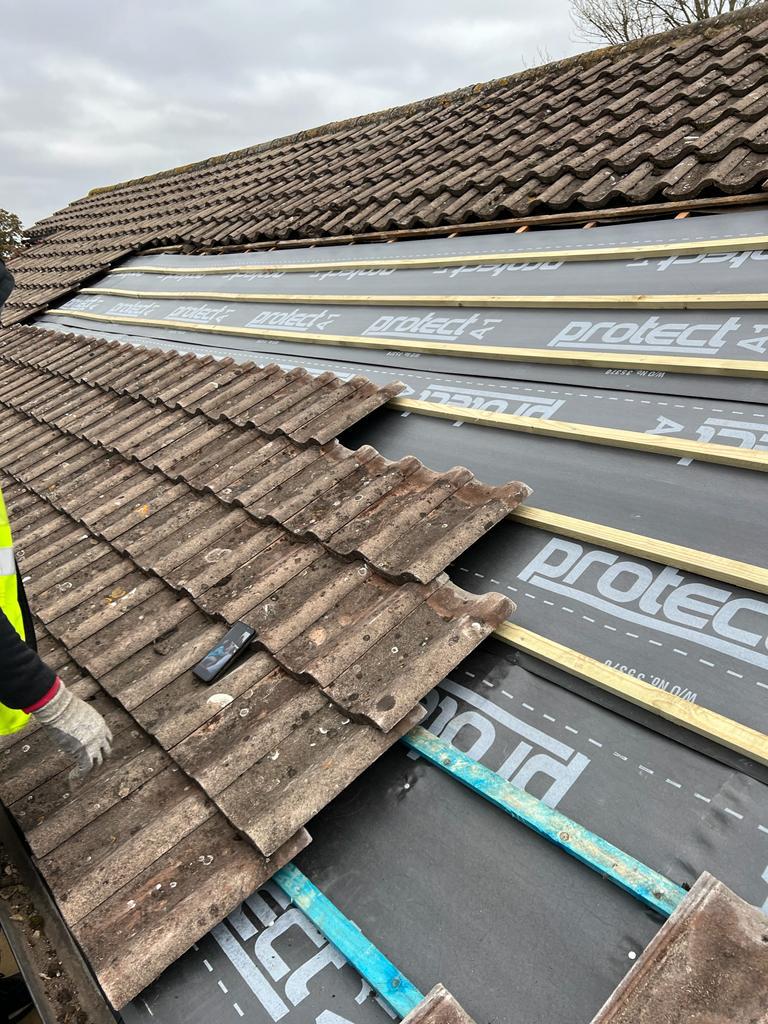
Summer is the best season for carrying out any repairs identified in spring, because dry weather makes roof work safer and allows materials like mortar and sealants to cure properly. If your spring inspection revealed cracked tiles, loose ridge mortar or flashing issues, summer is the time to have these addressed. It is also a good time to look at roof ventilation. Adequate ventilation in the loft space is important for preventing condensation, which can lead to timber rot and mould growth. Check that any soffit vents or tile vents are not blocked by insulation or debris. On a warm day, your loft should not feel excessively hot or humid — if it does, the ventilation may need improving.
Summer is also a good time to tackle moss. Moss growth on roof tiles is extremely common in the Windsor area, particularly on north-facing slopes and roofs that are shaded by trees. While a thin layer of moss is mostly cosmetic, heavy moss growth can cause real problems. It holds moisture against the tile surface, which can lead to frost damage in winter. It can also lift the lower edges of tiles, allowing wind-driven rain to penetrate underneath. Moss can be removed by a professional using careful brushing or low-pressure washing — high-pressure washing should be avoided on most roof tiles as it can damage the surface and strip protective coatings. Some homeowners opt to have copper or zinc strips fitted along the ridge, which inhibit moss regrowth.
Autumn
Having loose or cracked mortar repaired in autumn, before the frost sets in, is one of the most cost-effective bits of preventative maintenance you can do.
Autumn is arguably the most important season for roof and gutter maintenance. Before the leaves start falling in earnest, make sure your gutters are clear and flowing freely. Then plan to check them again in late November once the majority of leaves have fallen. If you have trees overhanging or close to your roof, autumn is the time to have any branches trimmed back. Overhanging branches drop leaves directly into gutters, and in storms they can scrape against tiles and cause damage. Keeping a clear gap between tree branches and the roof surface is one of the simplest things you can do to reduce maintenance problems.
During your autumn inspection, pay particular attention to the mortar on your chimney stack and ridge tiles. Mortar that has cracked during the summer heat will allow water in during autumn rains, and if that water then freezes in winter, the damage accelerates rapidly. Having loose or cracked mortar repaired in autumn, before the frost sets in, is one of the most cost-effective bits of preventative maintenance you can do. The same applies to any sealant around roof flashings, soil vent pipes or skylights — if it is cracked or peeling, autumn is the time to have it renewed.
Winter
Winter brings the harshest conditions and the greatest risk of roof damage, but it is also the season when you should avoid getting on the roof unless absolutely necessary. Tiles are slippery when wet or frosty, and working conditions are poor. Your winter maintenance is therefore mostly about observation and quick response. After any significant storm or heavy snowfall, do a visual check from the ground. Look for displaced tiles, sagging gutters or any debris on the ground that might have come from the roof. If snow accumulates on the roof, resist the temptation to try to remove it — on a pitched roof, it will slide off naturally as the temperature rises.
Ice dams can be a problem in prolonged cold spells, though they are less common in the relatively mild Windsor climate than in more northern parts of the country. They form when heat escaping from the loft melts snow on the upper part of the roof, and the meltwater refreezes at the colder eaves, creating a dam that traps water behind it. If you notice large icicles forming along the gutter line, or if water appears to be backing up under the tiles at the eaves, you may have an ice dam forming. The long-term solution is usually to improve loft insulation and ventilation so that the roof surface stays cold and snow melts evenly, but in the short term, keeping gutters clear so meltwater can drain away is the best you can do.
Year-round tips
Throughout the year, keep an eye on the inside of your loft space as well. A quick check with a torch every few months can reveal problems that are not visible from outside. Look for daylight coming through the roof — there should be none, though some light through ventilation gaps at the eaves is normal. Check for damp patches on the underside of the roofing felt, water stains on the rafters, or any signs of mould. These can indicate a leak that may not yet be visible from inside the living space below. Catching a leak at the loft stage, before it has soaked through the insulation and ceiling plaster, means a much simpler and cheaper repair.
A general rule of thumb is to have a professional roof inspection every three to five years, or sooner if you notice any of the issues described above. A qualified roofer can access areas that are not visible from the ground and can assess the condition of components like valley gutters, hidden flashings and the underside of tiles. At Maybach Building & Property Maintenance Ltd, we offer roof inspections across Windsor, Maidenhead and the surrounding areas, and we provide a written report of our findings along with any recommendations. Preventative maintenance is always more affordable than emergency repairs, and a well-maintained roof will serve you reliably for decades.